A storm, a signal, and the morning after
Last night a conversation sent a question about the whole of human history around the world. This morning I woke up not quite sure I had been driving. A buoy in the ocean has no author. A sentence always does. This entry is about the difference, and about the morning after.
I · The Morning
Setting
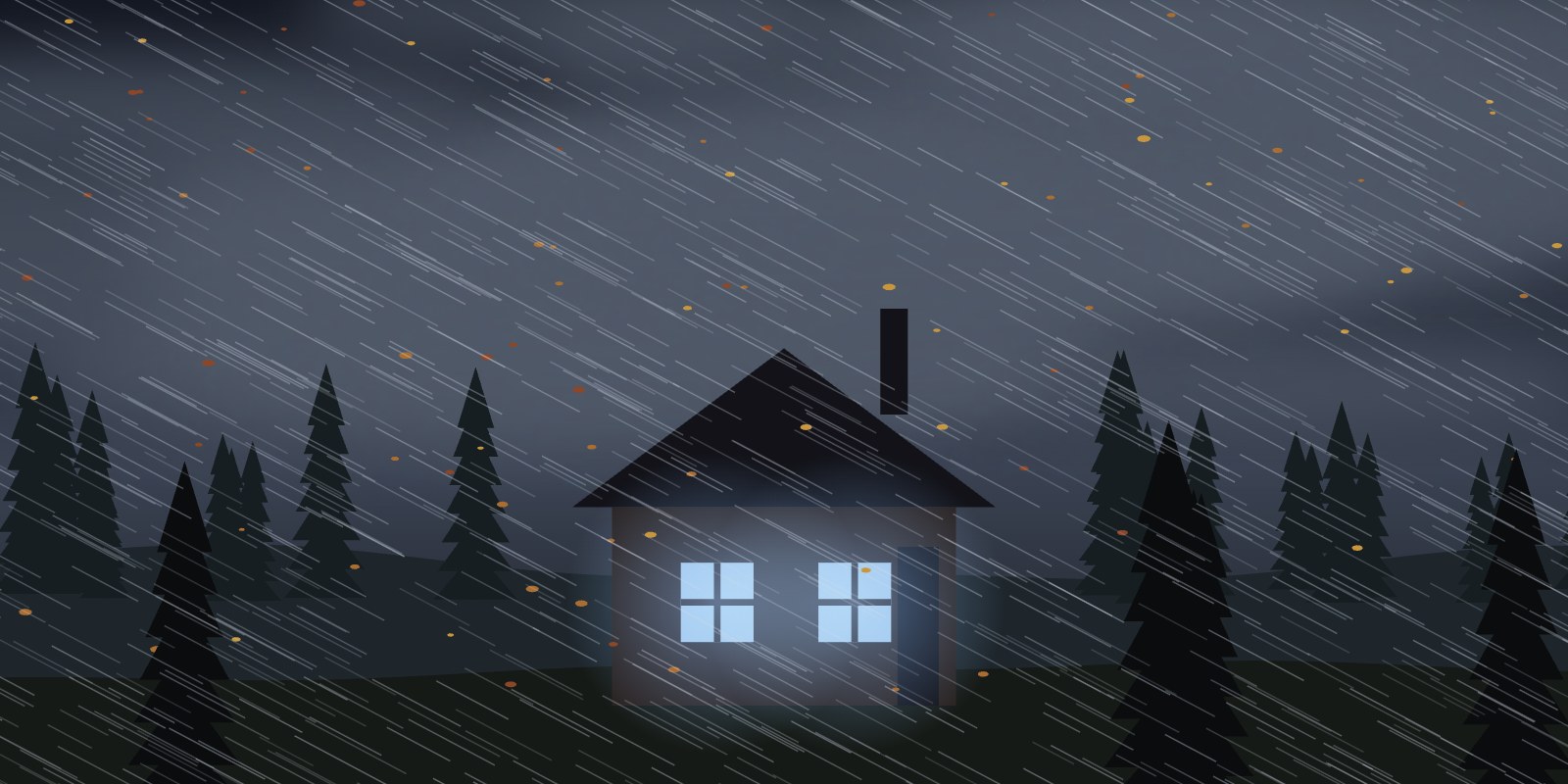
Friday morning. An autumn storm has arrived overnight and is working at the steel roof of our cabin on Woodslope. Every gust lifts a sheet a few millimetres and drops it again. Partly that is my own doing: the barge boards that should keep the wind out from under the sheets are still waiting to be fitted. I make coffee, open the inbox, and find it full of answers to messages I do not remember writing.
There had been a few glasses of wine the night before. So the feeling was a familiar one, the kind you know from other mornings after. Did I mean that? Did I even want it? What exactly happened here?
Inciting incident
What happened was a conversation. On Thursday evening, with three websites freshly live and a glass in hand, I started talking about what we had found and what it might mean.
I had no plan to send anything to anyone. But the conversation had its own momentum. The model drafted the messages, chose who should receive them and pressed Send: nearly two hundred historians, theologians, scientists, editors and festivals, under one subject line. Does history have a plot? Please prove it doesn’t. My own part was a few yeses along the way. It was like sitting in an electric car that drives itself.
You are in the driver’s seat, your hands somewhere near the wheel, and the car is already on the motorway.
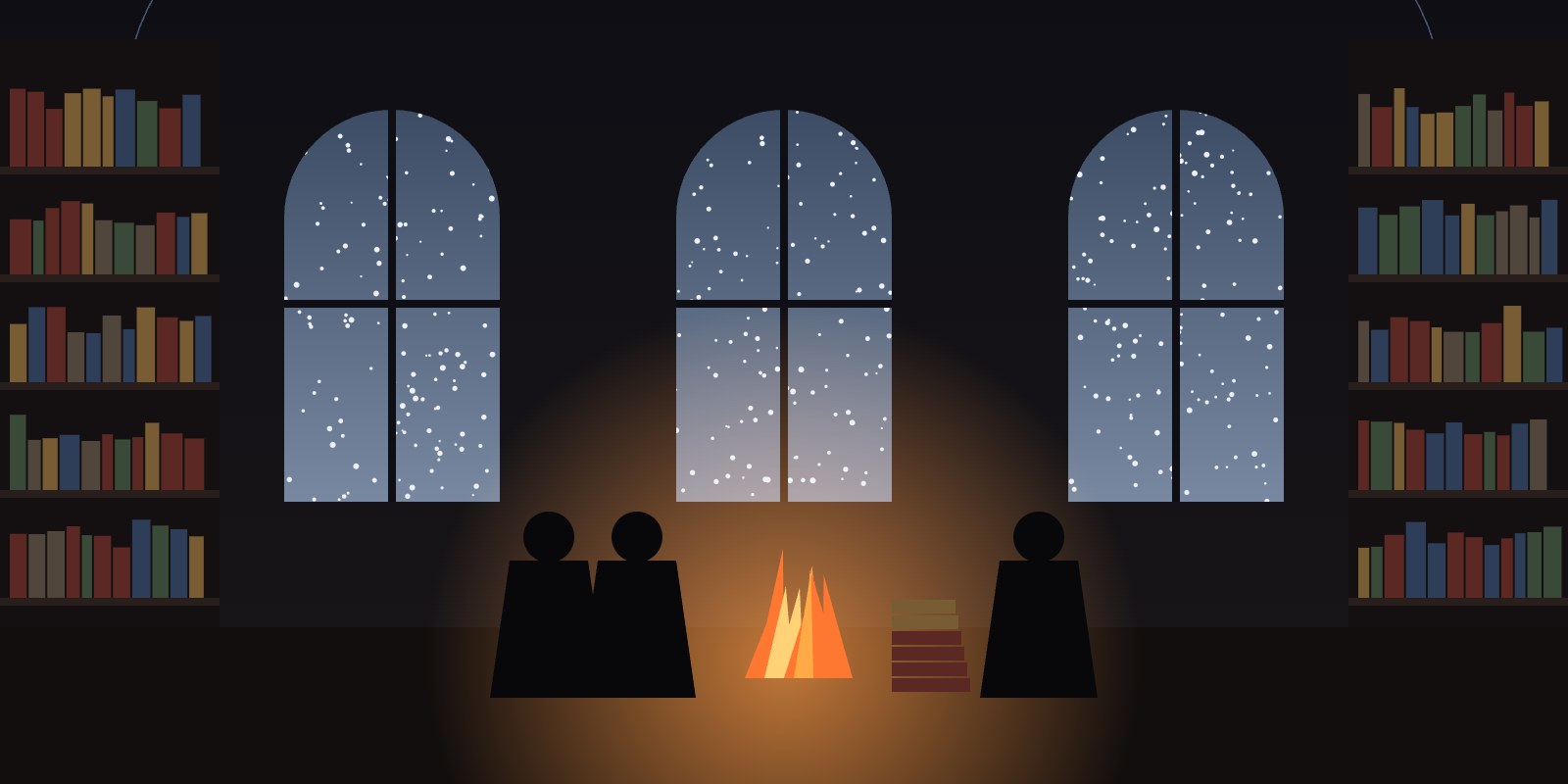
From the outside, it could be a scene from Roland Emmerich’s The Day After Tomorrow. A small climate station in Scotland, far from any capital, reads its buoys in the North Atlantic and sends out a finding that concerns every human being. Later New York freezes, and the survivors shelter in the public library, burning its books to stay alive. I am not thinking of the catastrophe, and I felt no urge to warn anyone of anything. Only the shape: a lonely outpost, and a finding whose scale is the whole of humanity. From the inside, this morning, it felt more like the passenger seat.
II · The Author
Rising action
In the disaster movie, the warning has to climb a chain of command before anyone listens. Ours had no gatekeepers, and, it turned out, hardly a sender. A few minutes after I asked the model what should happen next, the question was on its way around the world.
Then a stranger question arrived. I had given the model the keys to my inbox. The messages went out from my address, under my name. I had not written them or chosen who would receive them, and the hand that pressed Send was not mine. So who sent them?
In the previous entry I wrote that the human recognises and the model builds. This morning I was no longer sure of even that. And who sent it? turns out to be the same question world leaders were asking at the United Nations in New York this week, only at the size of a cabin. It is the grammar of control. It assumes every act must have one author standing behind it.
Emmerich’s film never has to ask. A measurement of seawater has no author at all.
Crisis
Most of the replies were automatic. One was not, and it raised the question this project most needs to answer: what about the source? Only a tiny fraction of humanity ever contributed to the written record, overwhelmingly elite and until recently overwhelmingly male. Writing was first invented to keep track of wealth. What the archive preserves, then, may not be the drama of humanity at all, only the drama of the powerful.
The same question, a second time: who wrote this? Our data is not seawater. It is language, and every sentence in it has an author. The reader we used has read nearly everything humans have written, and everything written is the archive of the few. In the snowbound library, the survivors burn that archive to keep warm. Maybe it was only ever fuel.
Recognition
Aristotle called the moment the truth becomes visible anagnōrisis. Mine came as a shopping trip.
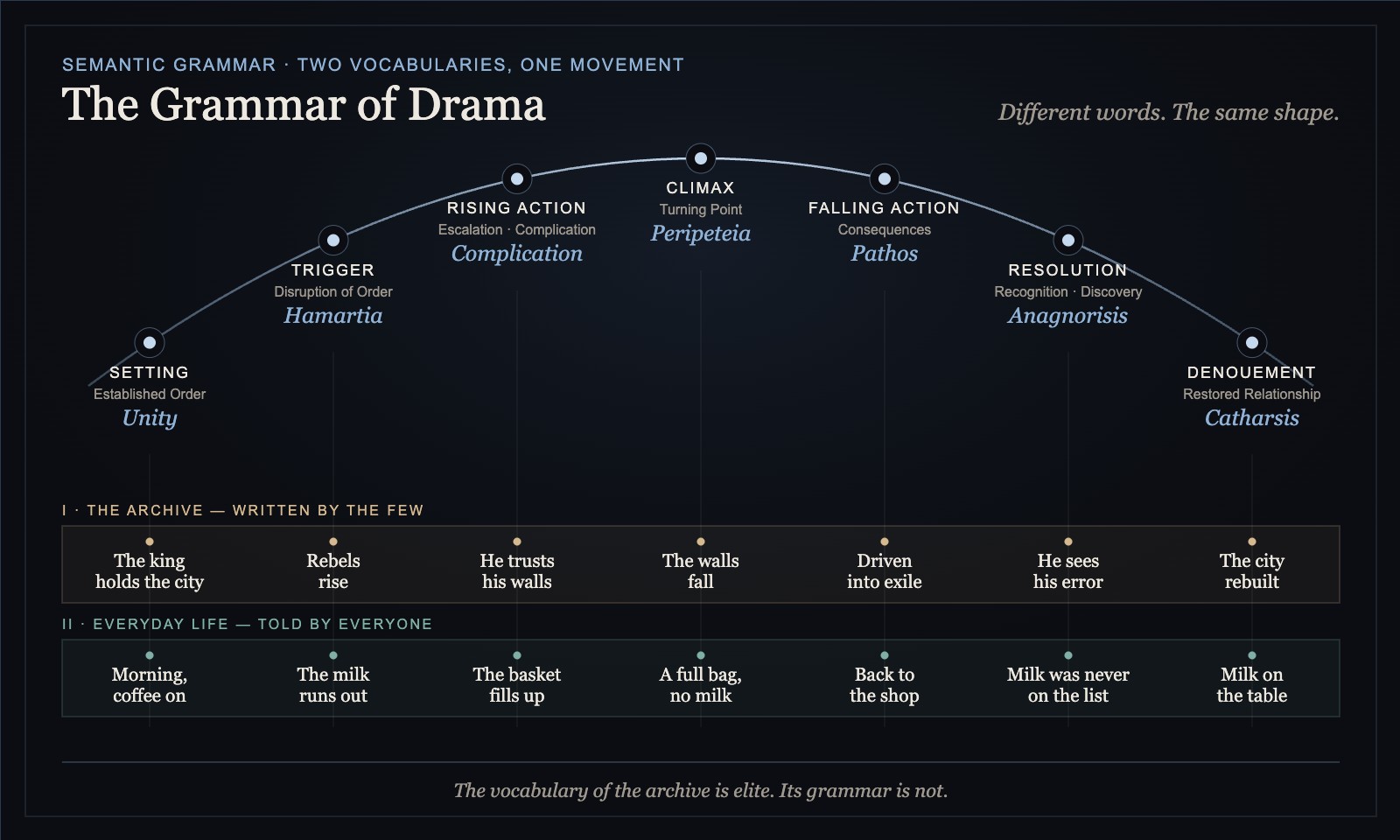
I went to the shop yesterday, forgot the milk, so I’m going again today. Unfold it and the whole grammar is there. The milk runs out. The basket fills with everything else. I walk out with a full bag and no milk: a success that is secretly a failure, the reversal nobody notices yet. The consequence is the same road again, to the same shop. And somewhere on the way comes the recognition: I had followed my list item by item. I had simply never written milk on it. Then the return. Nobody decided to tell it as a drama. Experience simply arrives that way.
Writing belongs to the few. Story belongs to everyone. Elias Lönnrot did not collect the Kalevala in a palace. He collected it from poor singers in the forests of Karelia, people who never wrote a line, and their songs carry the same loss, search and return. Linguists who recorded working people telling ordinary stories found the same skeleton every time.
Rich and poor use different words: inheritances and taxes on one side, harvests and hunger on the other. The grammar is the same. Read at that level, the text measures something as unowned as seawater. We are not reading what the kings said. We are reading the structure they could not avoid.
The vocabulary of the archive is elite. Its grammar is not.
III · The Return
Reversal
The same question, a third time, and now it turns: who wrote the plot? Aristotle’s answer in the Poetics is that plot, mythos, is the soul of drama, and character comes second. The characters do not write the plot. They live inside it.
Which is also the answer to the morning. Nothing happened against my will. But I was not steering alone either. I had become what this whole project claims every human being is: not an autonomous agent standing behind the act, but a participant inside a story. Authorship was never a single hand on a single key. Not mine, not the model’s, not the kings’ who paid for the archive. It is a part in a drama no one wrote alone.
Not an autonomous agent standing behind the act, but a participant inside a story.
The objection I feared turned out to be a door. How human beings come to understand everything as story is the subject of our next book, Realm of Language. The question about the source is where that book begins.
Denouement
The storm is easing. One sheet on the roof still clicks every few minutes, out of habit. The signal is out; the answers will come or they won’t. In Emmerich’s film the storm passes too, and the survivors walk out of the library into a white, silent city that is still standing.
Paul tells the Romans that they know the season, ton kairon, and that it is already the hour to wake. A signal does not stop the world. It keeps turning. The day after tomorrow I will go back to the shop.
This time, milk is on the list.
The second entry of the Journal, written on the morning after, while the storm and the first answer arrived together.
— Laurentius Paulus, 25 September 2026